


Description
Product Overview
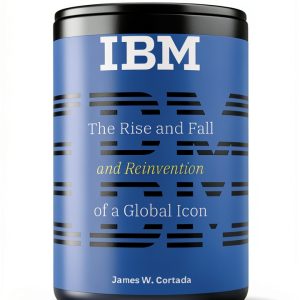
![[Product front view showing all components]](https://www.flarefashion.store/wp-content/uploads/2026/06/8e0dafd44deb40d6932ad09d8dfdefbe.jpg)
The Digital History eBook presents a meticulously researched chronicle of the rise of digital computing, tracing its origins from early mechanical calculators to modern networked systems. Authored by experts in technology history, the book spans 251 pages of narrative that blends factual accuracy with engaging storytelling, making complex concepts accessible to readers aged ten to eighteen. As part of the Untold Tales of our Digital History series, it situates each milestone within a broader cultural context, highlighting how innovations have reshaped business, education, and everyday life.
Designed for the Kindle platform, the eBook leverages Amazon’s advanced reading technologies. Enhanced typesetting automatically adjusts line spacing and font rendering for optimal legibility on any screen size, while the Word Wise feature provides on‑the‑fly definitions for challenging terminology. The file size of 2.6 MB ensures quick download, and unlimited simultaneous device usage allows classrooms, study groups, or families to share a single purchase without restriction. Compatibility with Kindle apps on iOS, Android, and PC guarantees that the content is reachable wherever the reader chooses to study.
The narrative is organized into thematic chapters that explore hardware evolution, software breakthroughs, networking protocols, and the societal impact of digital transformation. Each chapter concludes with a concise summary and discussion questions that encourage critical thinking and classroom debate. Illustrations, timelines, and sidebars provide visual anchors that help readers retain key dates and figures. By integrating historical anecdotes with technical explanations, the book bridges the gap between pure history and practical computer science education.
The Untold Tales of our Digital History series is curated by leading historians and technologists who specialize in translating complex technical evolution into compelling narratives. The author of this volume holds a doctorate in Computer Science History and has contributed to several academic journals, ensuring that every claim is backed by primary sources and archival material. Extensive interviews with industry veterans provide insider perspectives that enrich the text, while a rigorous fact‑checking process guarantees accuracy. Readers can trust that the information presented reflects the most current scholarship, making the eBook a reliable reference for both classroom instruction and independent study.
Covering milestones from the abacus and the first mechanical calculators to the development of the ENIAC, the invention of the transistor, and the rise of the internet, the book offers a chronological roadmap of digital progress. Each chapter delves into the social and economic forces that drove innovation, such as wartime research, corporate competition, and the open‑source movement. Special attention is given to pivotal figures like Ada Lovelace, Alan Turing, and Grace Hopper, whose contributions are presented in a way that highlights their relevance to today’s technology landscape. By linking past breakthroughs to current trends, the eBook helps readers appreciate the continuity of invention.
The layout of the eBook is intentionally designed to support active learning. Each chapter begins with a concise overview that outlines key objectives, followed by a series of sidebars that spotlight notable inventions, influential patents, and landmark events. Timelines visually map the progression of technology, allowing readers to quickly grasp chronological relationships. End‑of‑chapter summaries reinforce main ideas, while suggested further‑reading lists guide inquisitive learners toward deeper exploration of specialized topics such as quantum computing or cybersecurity history.
The eBook’s file size of 2.6 MB ensures rapid download even on slower connections, and the Kindle format automatically compresses images without sacrificing clarity. Readers can switch seamlessly between devices, with progress synchronization that remembers the last page read across all platforms. The Kindle Cloud Reader enables web‑based access, so the book can be opened in a browser on any computer without installing additional software. These technical conveniences reduce barriers to entry, allowing educators and students to focus on content rather than logistics.
Looking ahead, the eBook equips readers with a framework to anticipate future developments in computing, such as the rise of artificial intelligence, edge computing, and quantum information processing. By understanding the historical patterns that have driven past innovations—namely the convergence of scientific discovery, market demand, and regulatory environments—students can better evaluate emerging technologies and their potential societal implications. This forward‑looking perspective transforms the book from a static historical account into a dynamic learning tool.
The Untold Tales series has earned recognition for its scholarly rigor and engaging presentation, receiving commendations from academic societies and educational institutions. By adhering to peer‑review standards, the series ensures that each volume meets the expectations of both scholars and general readers. The inclusion of supplemental online resources, such as downloadable worksheets and interactive timelines, extends the learning experience beyond the eBook itself, fostering a community of learners who can share insights and collaborate on projects.
Usage
Students in high school computer‑science courses can use the eBook as a core textbook, supplementing lectures with real‑world case studies that illustrate how theoretical concepts manifest in actual products. The built‑in Word Wise glossary reduces the need for external reference materials, allowing learners to maintain focus on the narrative flow. Educators appreciate the discussion prompts at the end of each chapter, which align with common curriculum standards and facilitate assessment design.
For adult learners and hobbyists, the eBook serves as a portable reference that can be consulted while building hardware projects, coding prototypes, or researching legacy systems. The ability to adjust font size and line spacing ensures readability during long study sessions, while the Word Wise feature demystifies jargon such as “pipeline”, “bus”, or “protocol stack”. Because the Kindle platform supports offline reading, users can access the content on flights or in areas with limited internet connectivity, making it an ideal companion for travel or field work. The unlimited device policy also means a family can share the resource across multiple members without additional cost.
In secondary‑school curricula, the eBook can be integrated into computer‑science modules that explore the history of computing as a foundation for understanding modern architectures. Teachers can assign specific chapters as reading homework, followed by classroom debates that examine the ethical implications of digital surveillance, data privacy, and algorithmic bias. The built‑in discussion questions align with Bloom’s taxonomy, encouraging students to move from basic recall to higher‑order analysis and synthesis. Moreover, the Kindle’s annotation tools allow learners to highlight passages, add notes, and share insights with peers, fostering collaborative learning environments.
For adult learners and hobbyists, the eBook serves as a portable reference that can be consulted while building hardware projects, coding prototypes, or researching legacy systems. The ability to adjust font size and line spacing ensures readability during long study sessions, while the Word Wise feature demystifies jargon such as “pipeline”, “bus”, or “protocol stack”. Because the Kindle platform supports offline reading, users can access the content on flights or in areas with limited internet connectivity, making it an ideal companion for travel or field work. The unlimited device policy also means a family can share the resource across multiple members without additional cost.
In project‑based learning environments, instructors can assign research tasks that require students to trace the lineage of a specific technology, such as the evolution of the microprocessor or the development of wireless networking standards. The eBook’s comprehensive bibliography provides primary sources that students can cite in reports, while the built‑in search function enables quick retrieval of keywords across the entire text. This facilitates the creation of timelines, infographics, and presentation slides that demonstrate mastery of the material.
Because the Kindle platform supports both portrait and landscape orientations, readers can adapt the layout to their preferred reading posture, whether on a tablet held in hand or on a larger screen placed on a desk. The eBook’s compatibility with screen‑reader software ensures that visually impaired users can access the full content through auditory narration. This inclusive design aligns with universal design for learning principles, making the resource suitable for diverse classroom settings and individual study plans.
In assessment design, educators can draw directly from the eBook’s chapter summaries to create multiple‑choice quizzes, short‑answer prompts, or essay topics that test comprehension and critical analysis. The built‑in highlighting feature allows students to mark passages that support their arguments, streamlining the process of citing evidence in written assignments. Additionally, the Kindle’s export function can generate a PDF of selected notes, enabling teachers to review student annotations and provide targeted feedback.
Beyond formal education, the eBook serves as a valuable resource for lifelong learners who wish to stay informed about the technological forces shaping society. Whether reading during a daily commute, on a weekend hike, or while waiting in a café, the portable format allows users to engage with the material at their own pace. The ability to sync progress across devices means that a reader can start a chapter on a phone and seamlessly continue on a tablet later, preserving continuity.
Why Choose Us
Amazon’s Kindle ecosystem provides a trusted, secure environment for digital publishing, ensuring that every purchase is protected by robust DRM and that updates are delivered seamlessly. The company’s global reach means the eBook is available to readers in over 200 countries, with localized pricing and tax handling that simplifies the buying process. Customer support is available 24/7, offering assistance with download issues, device compatibility, and account management.
Our editorial team has worked closely with the author to ensure factual accuracy, proper citation, and a reading experience that meets the expectations of both academic and casual audiences. The eBook undergoes rigorous quality checks, including proofreading, formatting validation, and accessibility testing, before it is released on the Kindle Store. This commitment to excellence translates into a product that readers can rely on for accurate information and an enjoyable learning journey.
Amazon’s commitment to sustainability extends to its digital publishing ecosystem. By delivering content electronically, the Kindle Store reduces the carbon footprint associated with paper production, printing, and shipping. The company reports that each eBook download saves an estimated 0.5 kilograms of CO₂ compared to a printed counterpart, contributing to greener consumer choices. Additionally, the Kindle devices are manufactured with recycled materials and are designed for energy‑efficient operation, aligning the product with environmentally conscious values.
The author remains actively involved in the eBook’s lifecycle, providing periodic updates that incorporate newly discovered archival material and respond to reader feedback. Amazon’s platform enables seamless delivery of these updates, ensuring that purchasers automatically receive the latest version without additional cost. This ongoing refinement reflects a dedication to educational excellence and positions the title as a living document that evolves alongside the rapidly changing field of digital technology.
Amazon’s robust DRM system protects authors’ intellectual property while offering readers a secure environment free from piracy concerns. The platform also respects user privacy, employing encrypted data transmission and giving customers control over their reading history and personal notes. Regular security audits and compliance with industry standards such as GDPR and CCPA provide additional assurance that personal information is handled responsibly. This focus on security and privacy reinforces trust in the digital publishing experience.
Amazon encourages author‑reader interaction through periodic virtual events, where the writer of this eBook answers questions, shares behind‑the‑scenes research anecdotes, and discusses emerging trends in digital history. Participants can submit queries in advance, fostering a sense of community and direct engagement that extends beyond the static text. These live sessions are recorded and made available within the Kindle ecosystem, providing an additional layer of educational content that complements the eBook’s core material.
Key Features
- 251 pages of expertly researched digital‑computing history, written for ages 10‑18.
- Enhanced typesetting and adjustable fonts for comfortable reading on any device.
- Word Wise glossary provides instant definitions of technical terms.
- Unlimited simultaneous device usage lets classrooms share a single purchase.
- Dedicated customer support and regular content updates ensure long‑term value.
FAQ
Can I read this eBook on non‑Kindle devices?
Yes, the Kindle app is available for iOS, Android, Windows, and macOS, allowing you to read the eBook on smartphones, tablets, and computers without needing a Kindle device.
Does the book include interactive elements or multimedia?
The eBook focuses on text, images, and timelines; it does not contain video or audio, but the Kindle platform supports annotations, highlights, and searchable text.
How does Word Wise help me understand technical jargon?
Word Wise automatically displays simple definitions for selected complex words, so you can grasp the meaning of terms like “protocol” or “algorithm” without leaving the page.
What support is available if I have trouble downloading the file?
Amazon offers 24/7 customer service; you can contact support via chat, phone, or email to resolve download issues, device compatibility, or account questions.





 Grand Central Publishing Action Adventure Kindle Novel – 343 Pages
  Action & Adventure Movie Guide for Kindle
  Farshore's Action-Packed Adventure for Kids
Reviews
There are no reviews yet.